Skip to content
  • Blog Home
  • EMC Website

Educational Media Center

Leeward Community College

Category: Featured Instructor

Featured Instructor

Kazuko’s Japanese 202 Flipped Learning Lesson

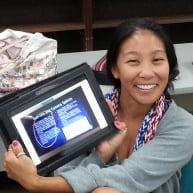
This is a special guest blog post by Kazuko Nakamitsu, Japanese Language Instructor at Leeward CC. Kazuko participated in our “Stop Lecturing and Flip Your Classroom” workshop series during the Fall 2015 semester. She earned the “Flipped Learning Creator” badge and letter of completion for creating and implementing a flipped learning lesson. In her blog post she shares how she flipped her lessons. We look forward to continue working with Kazuko to further enhance her flipped classroom efforts.

This semester (Spring 2016), I chose to create flipped learning lessons for my highest level Japanese language course, JPNS 202, because the content is more difficult and the students need more practice and help in class.  I decided to start with flipping the lessons on honorific and humble language (Lessons 19 and 20) as they are the most complicated and hard to understand concepts.

For each lesson, the students were to watch the lecture video, and complete both online and written exercises at home before coming to class.  In the next class, I gave a quiz to check if they understood the videos and we did more pair and group activities and discussion to actively engage students to use the language (i.e. practice interviewing people with higher status, creating skits among business persons, writing an article about a celebrity, etc).
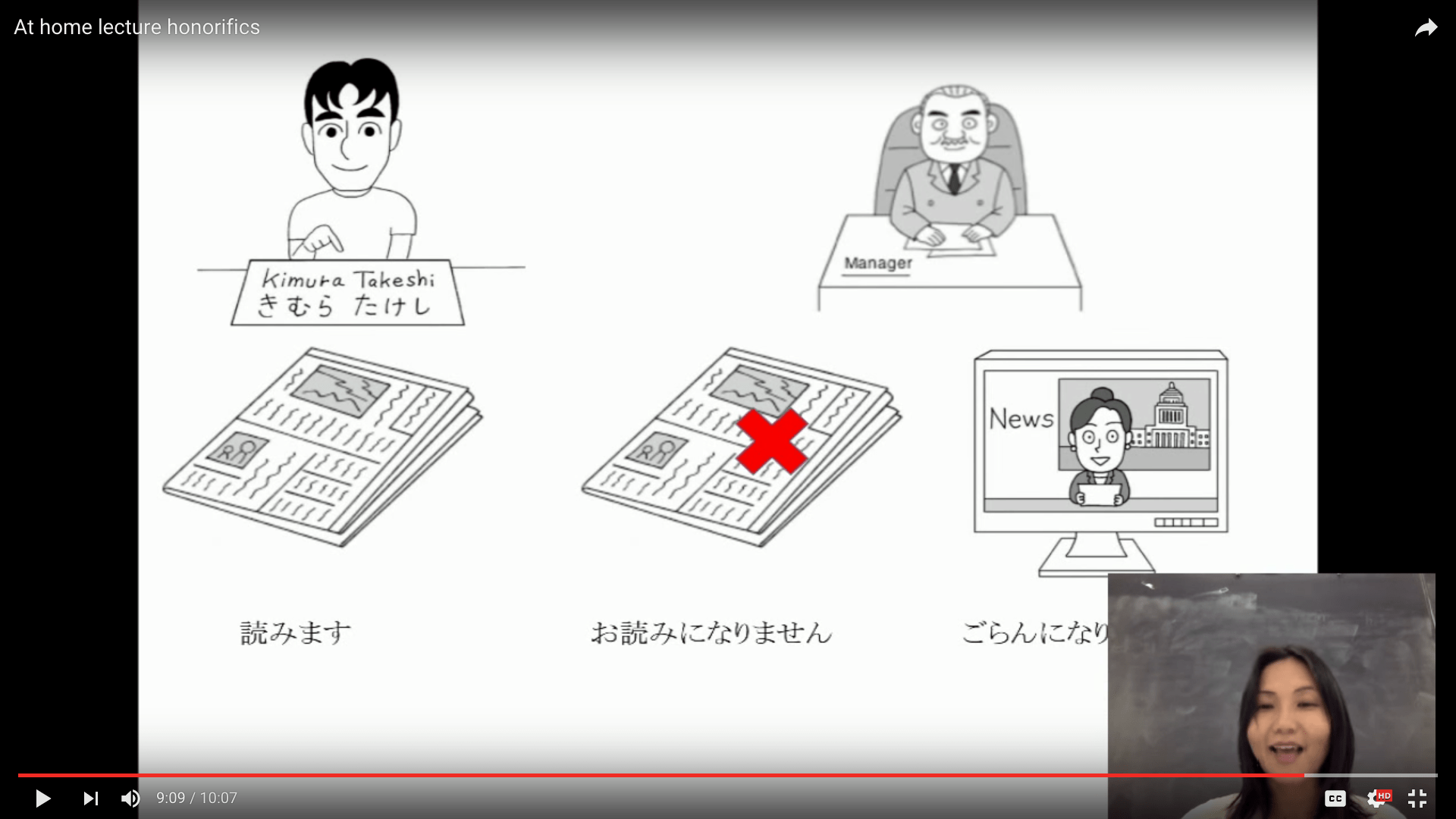
kazuko-flipped-1
Screenshot of an at-home video lecture – Drill Practice.

My students were able to learn the new materials at their own pace at home which allowed us to use class time for hands-on activities. They were more engaged in in-class activities because they had to work harder to prepare for the class.
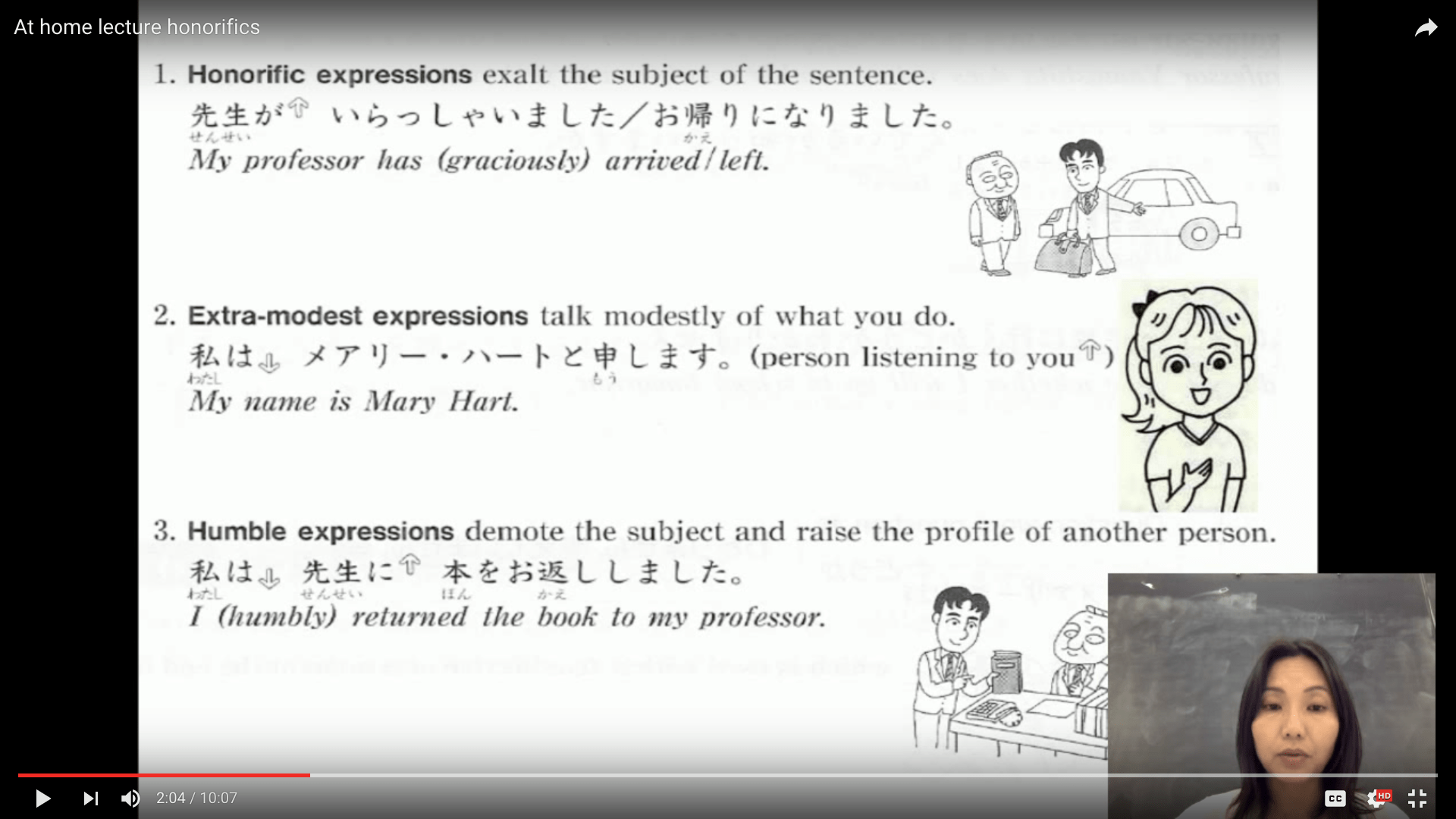
kazuko-flipped-3
Screenshot of an at-home video lecture – Grammar Explanation.

It seemed that most students liked the video I created. Students mentioned that they liked the pace and interactive quizzes and drills in my video. I used the free Google Chrome extension, MediaCore Capture, to make the video.  I chose this tool because it allows you to embed your webcam. Embedding my webcam helps my students learn the proper pronunciation by watching how I speak.  It also makes the students feel like they are actually conversing with me as they can see my gestures and facial expressions.

Here are the videos I created/used:

  • https://youtu.be/6Vdl7PWf3U4 (video I created)
  • https://youtu.be/ugNupqpp5mw  (video by: Edinburgh Japanese)
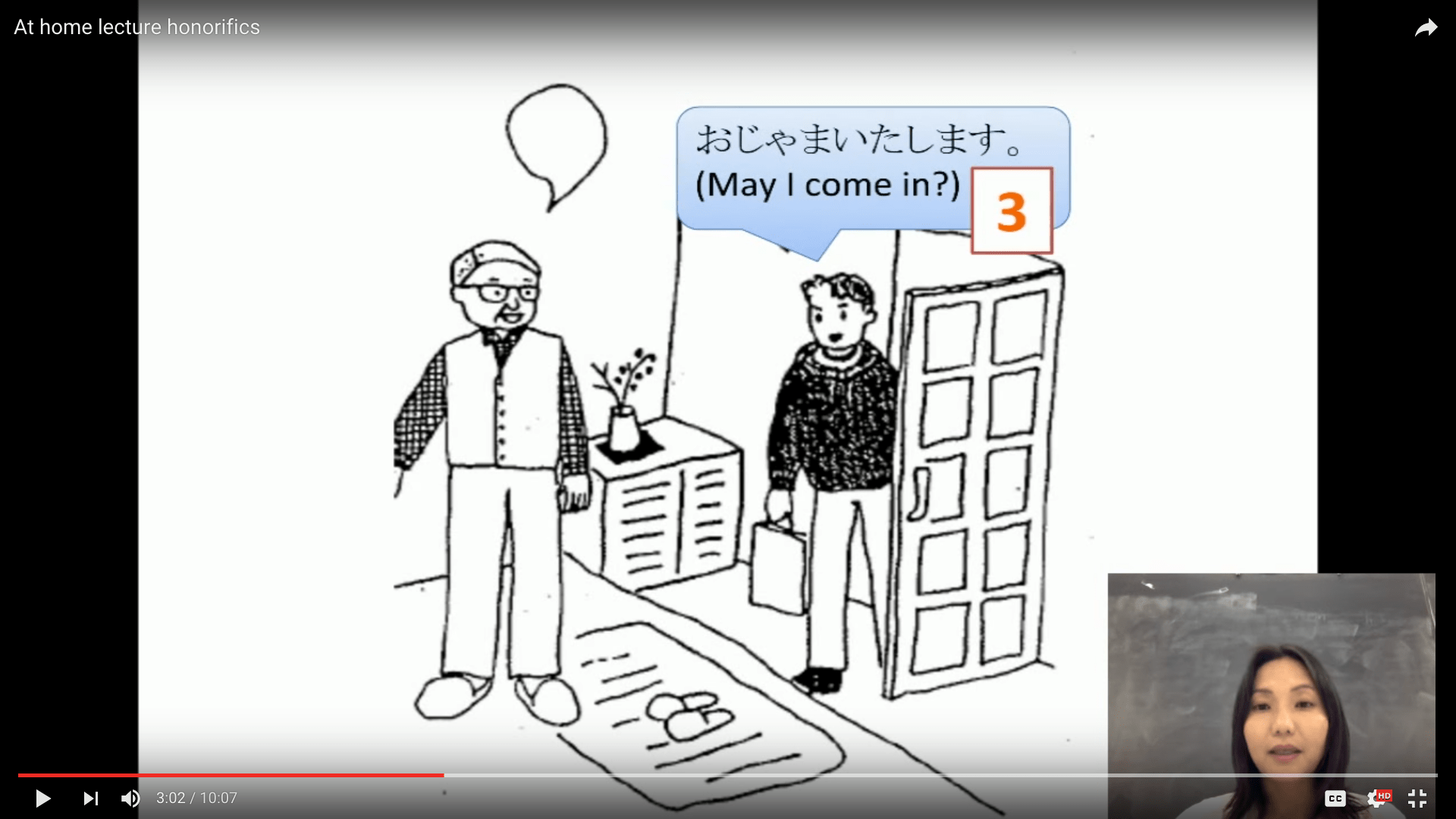
kazuko-flipped-2
Screenshot of an at-home video lecture – Interactive Quizzes.

There are a few things I would like to do differently or better and I will be contacting Rachael or Brent from the EMC for help.  For instance, I would like to create more at-home lecture videos and curate existing videos to make it more interesting.  I’m also interested in finding out a way to track who watched the videos or include an activity students submit during or after they watch the video to see if students not only watched the video but learned from it.

I’m also looking for other activity ideas such as discussions topics or activities to involve the students more in their learning.  One of my students suggested to have students teach each other since it allows them to learn from a student perspective rather than the teacher who already understands it.

The students’ performances this semester measured by both the oral test and written tests were higher than the previous semesters I’ve taught this course.  They were able to accomplish more difficult tasks and learned additional cultural values along with learning respectful language through more-in depth class discussions.

Below are a few comments from the survey that show students have a better understanding of the Japanese society and culture from learning the respectful language.  Teaching the respectful language in the flipped classroom method was a great success overall.

“I would have been lost if I didn’t watch the video before.  It would have took too long to explain keigo (=respectful language) from scratch in class.”

“When I came to class the next day, I was able to follow along much easier.  I prefer the video lectures before class rather than reading text because it is easier to remember visual and audio.”

“It (the video) was  a very good summary, interactive, and felt like I was in a lecture!  I liked it a lot!”

“The mini quizzes given throughout the video were very helpful!”

“The video lecture was helpful. It was just like being taught in a class & it was beneficial to be able to rewind the video if I missed anything.”

Another benefit of the flipped curricula for the students is to develop autonomous and lifelong language learning skills.  After JPNS 202, many of my students will not take Japanese classes, so being able to study the materials on your own is a very important skill if they want to continue learning Japanese on their own.  I feel that if I could use the flipped classroom for the entire semester, the students will become more self-directed.  Currently, I don’t have strong evidence, other than positive comments on the survey, but I am hoping to collect more data/evidence to support this hypothesis.
May 9, 2016December 16, 2021by rinake
Featured Instructor

Flipping English Classes

This is a special guest blog post by Cara Chang, Writing Instructor at Leeward CC. Cara participated in our “Stop Lecturing and Flip Your Classroom” track at the PRLS conference (Summer 2015) which we are repeating again this summer at PRLS. In her blog post she shares how she flipped her classroom. We will continue working with Cara to further enhance her flipped classroom efforts.

20150520_113945-0-2cfk5yv-croppedI used the flipped classroom method in my ENG 100 class by creating different modules and activities for the first two essays that students write in class (Narration and Description Essay 1 and Literary Analysis Essay 2 Part 1 and Part 2).  The videos and activities worked well.  Students liked it because it was organized and told students exactly what they needed to do.  It then allowed me to use valuable class time to do more hands-on activities (applying what was covered in the flipped lessons).  For example, after learning about how descriptive writing includes figurative language like similes and metaphors, students used class time to create similes and metaphors in their essays.  In ENG 100, I believe that the flipped classroom method helped students work on SLO 2 (write compositions appropriate to a particular audience and purpose) and SLO 3 (incorporating source material appropriately) since the flipped lesson 1 and 2 covered how to write different types of essays and flipped lesson 2 covered pulling quotes from the text to support their point.

In collecting student reflections of what they learned in the course, many students wrote that they learned how to be more descriptive, which includes writing similes and metaphors.  Students were required to find and post a song that has similes and metaphors on the Tackk page in the comments section.  Students seemed to like this because it was fairly easy to use because they are familiar with social media.

At the end of the semester, students are required to submit their favorite/best essay that I put on a student blog, so they may share their writing/work with the rest of the class, and students often choose to share their narration/description essay.  One student also wrote in her reflection that she learned how to quote and cite her sources from the flipped lesson on Literary Analysis.

A challenge I faced with the flipped classroom method was managing and grading all of the activities I assigned and copying a course to be used more than once at the same time.  For example, I taught 3 sections of ENG 100, so I need to learn an easier way to manage these 3 (similar, but different courses).  I also realized that maybe I gave too many activities.   I think I will move some of my activities to a pre-flipped classroom activity.  Lessening the number of activities will make it less tedious for students to complete and easier for me to grade/manage.

In addition to using the flipped classroom in ENG 100, I also used the flipped classroom in ENG 24 to help students learn and practice grammar in collaboration with colleague, Jennifer Wharton.  Jennifer created a flipped lesson on Identifying Verbs, and I created lessons on Identifying Subjects and Identifying Prepositional Phrases.  Our goal is to eventually flip all grammar lessons, but this semester, we just decided to pilot a few lessons.  The videos were a great teaching tool as it allowed students to re-watch a lesson if they didn’t understand the material the first time.  In ENG 24, exposing students to flipped learning introduces them to a different way of learning.  After students experienced flipped learning, I believe that students better understood different ways to learn/study concepts (vocabulary, content, grammar).  This directly speaks to SLO 5, which states that students should “apply study skills to improve learning.”  In ENG 24, an improvement in student writing is very obvious, but I teach grammar using different methods (flipped and traditional), so I do not know if I can attribute their improvement to the flipped classroom experience.

A challenge I faced in facilitating a flipped classroom with my ENG 24 students was not spending enough time helping students get to the assignment.  I ran out of time when assigning the lessons, so not as many students did it the first time around.  Next time, I need to walk my ENG 24 students through the flipped classroom process by having them go into the lesson in class before they go home.

Because of the positive responses I received towards the flipped lessons, I plan to eventually create flipped lessons for all types of essays that I assign (Cause and Effect Essay 3 and Argument and Research Essay 4).  Another thing I would like to try is to maybe have students create their own lessons.  I may try this in ENG 22 since I assign a lot of presentations in this class.  Furthermore, as stated earlier, I would like to create more grammar lessons for ENG 24 students since I only created 2 lessons.

Please find the links to my flipped learning lessons created using Tackk:

  1. Narration module: https://tackk.com/d7p43p
  2. Literary analysis: https://tackk.com/lylshz
  3. Literary analysis 2: https://tackk.com/5ds9g0
  4. Subjects (ENG 24): https://tackk.com/0e901a
  5. Prepositional Phrases (ENG 24): https://tackk.com/xa7tn7
  6. Study Skills: https://tackk.com/zr2tgr
May 3, 2016December 16, 2021by rinake
Featured Instructor

Friday – OER Sharing by Weirong Cai and Kelsie Aguilera

This is a special guest blog post by Weirong Cai and Kelsie Aguilera, both teach Anthropology at Leeward CC.

WeirongandKelsie_150x169Weirong’s Reflection

There has been two year since I first learned about OER.  I had questions about OER such as “what types of OER material are available,” “can I find quality materials for the courses I teach,” “what if there are restrictions for using OER but I’m not aware of such restrictions,” “how much time will it take for developing a course using only OER,” and so on.  I now have answers to most of the questions thanks to the OER workshop I’m attending now.  At the workshop we had the opportunity to explore some OER databases.  Obviously, the amount of OER has increased rapidly in recent years, and the sharing of OER materials has become more regulated and systematic.  I also came to the understanding that, while being open (free) for anyone to use, most OER have some restrictions about the way the materials are used.  The information and knowledge I learned at the workshop will help me make plans for adopting OER materials in my teaching.

Kelsie’s Reflection

I have also been interested in OER for about two years, ever since I first learned about them from my ex-office mate, Jayne Bopp. For the past two years and before I took the OER workshop I’m attending now, every now and then, I would casually look for OER materials. I didn’t have much success looking for OER materials on my own and just concluded that OER wasn’t for the discipline of anthropology. What I found so valuable about the OER workshop offered is the support structure provided. I have been working very closely with the EMC and our librarians and it turns out that they are much better at finding OER than I am! I am now confident that I can go OER by next semester. Going OER is important to me because it keeps the costs of our courses down and starts everyone off on the same footing— everyone has the course materials they need to be success from Day 1 of the semester.

March 10, 2016November 24, 2021by leannech
Featured Instructor

Thursday – OER Sharing by Michele Mahi

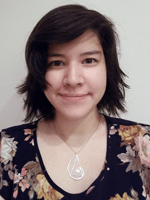
This is a special guest blog post by Michele Mahi, who teaches Speech at Leeward CC.

Michele_150x200Describe your experience in looking for an openly licensed item in your subject area
The process of finding openly licensed items in my subject area was both encouraging and frustrating. At the moment, there is no site that aggregates all openly licensed educational resources. Sites such as Open Washington provide a comprehensive list of websites that provide open educational resources, however, in order to search the materials available, you must visit each site individually, and there are a lot of sites. For instance, in the category of open course materials, Open Washington lists seventeen different websites to visit. Having a wide selection of sites that contain open educational resources is advantageous, however, the process of combing through a series of websites is time consuming.

I have not had a chance to visit all of the OER websites, but I am encouraged by the materials I have found thus far. While I have not found a complete textbook or complete course materials for the courses I teach, I have found pieces that I could string together. Switching to OER is a lot of work and anyone who has told you otherwise is lying. However, I think switching to OER is worth the effort. I highly recommend enrolling in the OER workshop offered by Leanne, Junie, and Wayde. You will learn a lot and your students will thank you.

March 9, 2016November 24, 2021by leannech
Featured Instructor

Wednesday – OER Sharing by Amanda Silliman

This is a special guest blog post by Amanda Silliman, who teaches English at Leeward CC.

Amanda_150x200What have you learned so far in the Go Open, Go Free workshop?
Learning about OER this semester has been very enlightening. I learned about the databases where OER are uploaded, and that Open Education Resources can be textbooks, photos, and videos. Just like when one examines an article for its usability and its credibility, the same process applies to OER materials. There is a twelve question checklist that instructors can use to assess the material that they find in OER databases in order to ensure that the open material is reliable for college students to use.

Additionally, I learned all about licensing for materials marked as available in Creative Commons. It was not something I had originally considered when I began the workshop, but now I am glad that I had the opportunity to learn more about it and how it can affect the materials I use should I decide to put together my own OER material to share.

March 8, 2016November 24, 2021by leannech
Featured Instructor

Tuesday – OER Sharing by Jonathan Wong

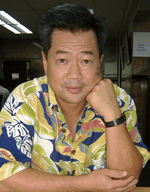
This is a special guest blog post by Jonathan Wong, Counselor at Leeward CC.

Jonathan WongWhat was your motivation for taking the Go Open, Go Free workshop?
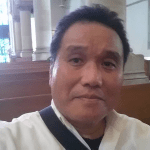
I decided to participate in the OER training workshops because I believe textbook publishers are not educators but rather entrepreneurs.

Publishers are driven by stock market prices and profit sharing, resulting in  education being less not more accessible to marginalized students.

Through the workshops I have learned that college instructors are often co-conspirators often without even realizing it.

It’s similar to buying a stylish shirt made in Pakistan by children working for pennies in sweatshops.  We are happy getting it for less not realizing how much children are enslaved to a corrupt and unjust economy.

I hope that LeeCC will embrace a First Year Experience course for many of our high risk first semester students using OER.

March 7, 2016November 24, 2021by leannech
Featured Instructor

Monday – OER Sharing by Timothy Cubero, Jr.

This is a special guest blog post by Timothy Cubero, Jr who teaches English at Leeward CC.

Timothy Cubero, Jr.Why is Open Educational Resources (OER) important to the future of education?
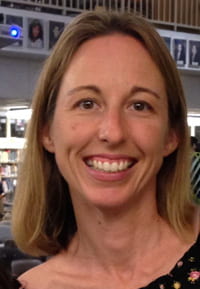
Open Educational Resources is important to the future of education. As a developing movement in the archiving and free sharing of digitized materials for teaching, learning and researching, this continues to be an endless reservoir of intellectualism where ideas can be safely stored by participants who believe in and do not feel threatened by the endless opportunity for others in the learning community to implement and adapt recognized thought beyond the limits and competitiveness of commercial publishing, where monetary value is often placed on ideas and their authenticator. Through the OER paradigm, peer learning and collaborative scholarship allow for the highest level in the collegiality of academic freedom, which to me is the true purpose of any college.
March 6, 2016November 24, 2021by leannech
Featured Instructor, Leeward CC

Leeward CC’s First Open Educational Resources ENG 100 Course

susan-wood
Susan Wood

Susan Wood, Professor CC of English, was the first at Leeward CC and in the UHCC system to create an open, online course for English 100: Composition I, which provides students with zero textbook cost, and allows anyone to re-use and re-mix her materials under the Creative Commons BY-NC-SA 4.0 license. With assistance from the Leeward CC Library, Susan found and used Open Educational Resources (OER) and her own content for the content modules. I was fortunate to work with Susan in planning and developing the content modules, putting the content in a weekly modules format using Google Sites, and publishing it as a template site for other Leeward CC ENG 100 instructors (or anyone) to re-use and re-mix under the CC BY-NC-SA 4.0 license. Susan also created a companion Laulima course site for instructors to copy to use with the weekly modules site and we created an Instructor’s Guide to help instructors put the course together.

The following is a guest post from Susan Wood.

—–

I was fortunate to be granted a sabbatical for Spring 2015. Part of the project that I proposed in my sabbatical application was to create an online ENG 100 course using Google Apps for Education that would be available for lecturers (or anyone) to use if they were assigned to teach an online ENG 100. After that project was approved, I was approached by both Kay Caldwell and Leanne Riseley and asked to consider creating the course using Open Educational Resources (OER). I knew very little about OER but have always used textbook cost as a major factor when choosing a textbook, so I decided it would be a worthwhile addition to the project. I did not realize at that point what an adventure I would have in the world of OER.

My first exposure to OER was a video on the Leeward CC Open Educational Resources Guide. In the video, which has since been replaced by Jayne Bopp’s wonderful video, an instructor in social sciences effusively talked about how she decided textbooks were too expensive for her students, so she found a fantastic OER textbook, pasted the link to the textbook into her course website, and proceeded to teach her course from this free resource. She made it sound so easy… all I needed to do was find the perfect OER textbook for ENG 100 and I would be on my way!

However, after weeks of searching and reading, I realized that there was no perfect ENG 100 textbook. I did find some OER ENG 100 textbooks, but some were really long and cumbersome, some were poorly written (ironic, I know), some didn’t cover the range of material we cover in ENG 100, and some were incomplete. It was then I realized I would have to create the course using a re-mix of content from several of the textbooks.

My next step was to pick the best of the content from the textbooks I found. I bookmarked the three textbooks that had material that I thought would best fit in a Leeward CC ENG 100 course, and then I set to work. I wrote an outline of the course and then proceeded to search through the OER textbooks and pull materials that I then revised as needed to fit the course objectives.

Collecting course content was a mostly enjoyable process because I got to explore what others teach in first-year writing courses. It was also professionally invigorating to read through so many different approaches to teaching first-year writing. At times, though, collecting content was frustrating when I could not find what I needed– so I had to create some content myself. Luckily, I had Rachael Inake to help me with the technical aspects of creating Google Slides, YouTube videos, and PowToons, and I was able to use these tools and more to create content. All in all, the experience of choosing, re-mixing, and creating OER was a very positive one.

The ENG 100 course is now finished and I am very pleased with how it turned out. I am excited to use the course for the first time this summer and will use it again in the Fall. I am also really excited that my students don’t have to buy a textbook. In past semesters, some students would go for weeks or even the entire semester without a textbook because they could not afford all of the textbooks for all of their courses. I am thrilled that I can now offer a course that does not burden students with the cost of a textbook. OER makes that possible.

—–

Below are a few screenshots of the ENG 100 OER course materials.

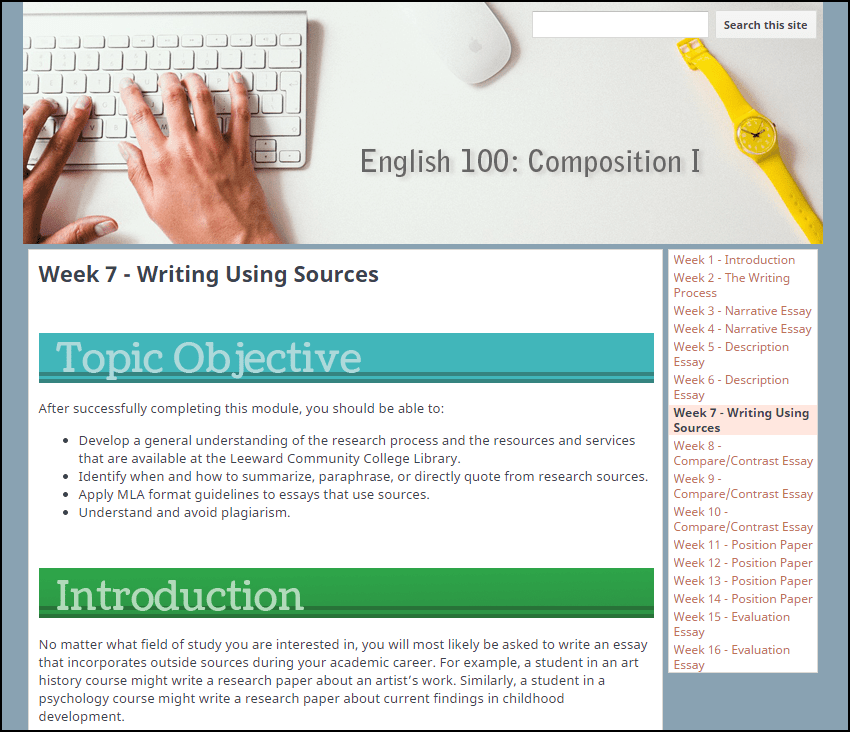
Screenshot of week 7's module
Screenshot of week 7’s module
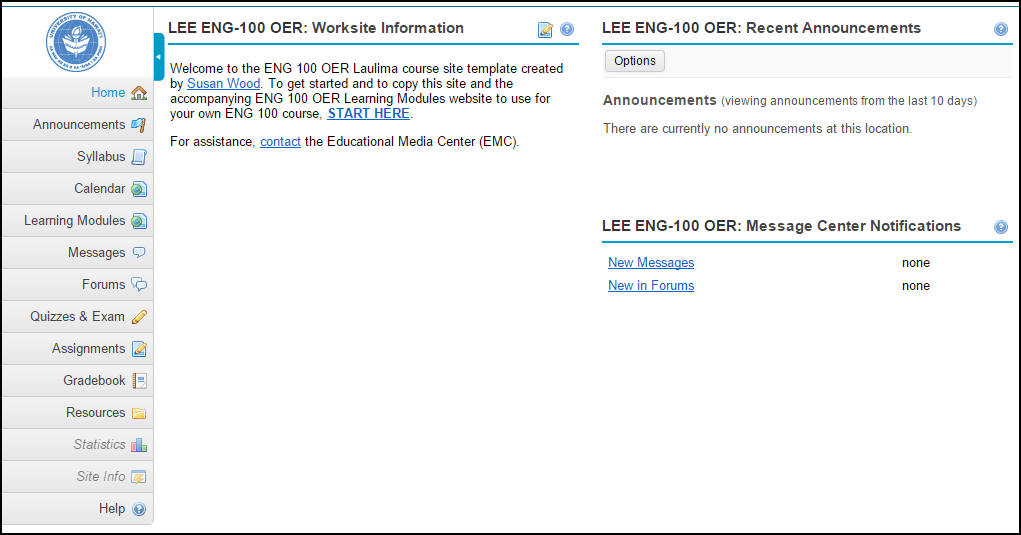
Screenshot of ENG 100 Laulima site
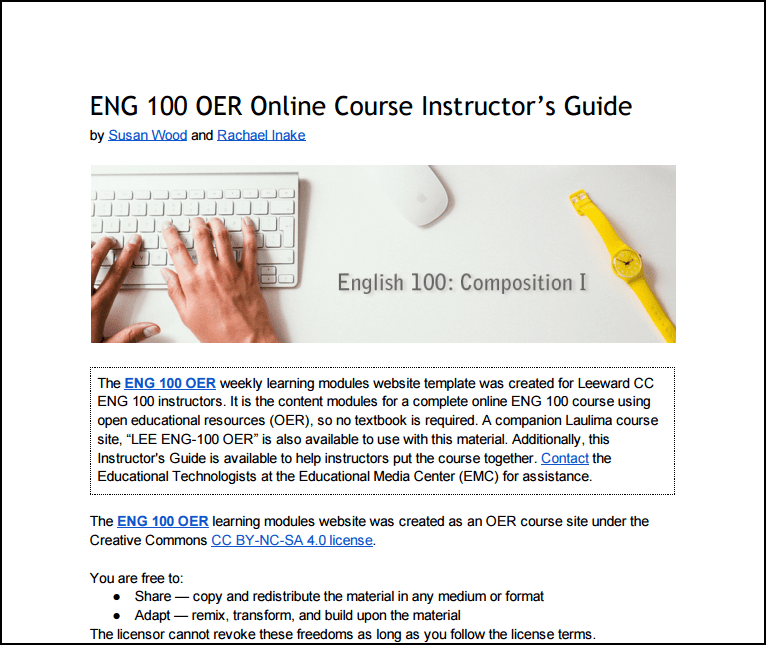
Screenshot of the ENG 100 OER Instructor’s Guide

Susan’s materials available for accessing, copying, re-mixing, and re-using, under the CC BY-NC-SA 4.0 license:

  • ENG 100 OER Instructor’s Guide to put the course together: http://tinyurl.com/eng100-oer-instructor-guide
  • ENG 100 OER learning modules website template: https://sites.google.com/a/hawaii.edu/lee-oer-eng100/
  • ENG 100 Laulima course site (Contact the EMC for access to the site.)

Please contact the Educational Media Center (EMC) if you’d like to set up an ENG 100 OER course site using Susan’s OER materials or if you’re interested in using OER materials or creating an OER course.

We can’t wait to hear how things turn out for Susan and her students next semester!

May 6, 2015by rinake

Posts pagination

1 … 3 4

Search

Recent Posts

  • Designing for Quality: How the Lamakū Course Starter PLC Has Evolved
  • Adventures in Canva Teams 
  • Lamakū – Intelligent Agents
  • Leeward Lamakū Weekly Tips (Fall 2025)
  • Capturing “My Monumental Summer”: Behind the Scenes With the EMC Video Production Unit

Categories

Recent Comments

  • rinake on Cross-Listed Courses in Laulima
  • Merissa Bunton, Ed. D. on Cross-Listed Courses in Laulima
  • bhirata on An Instructor Preview of Leeward Online Learning Orientation for Students

Archives

Accessibility

UH Accessibility Statement

Proudly powered by WordPress | Theme: Sin by vsFish.
Skip to toolbar
  • About WordPress
    • Get Involved
    • About Edublogs
    • Learn WordPress
    • Edublogs.org
    • Documentation
    • Contact
  • Log In